School of Communication

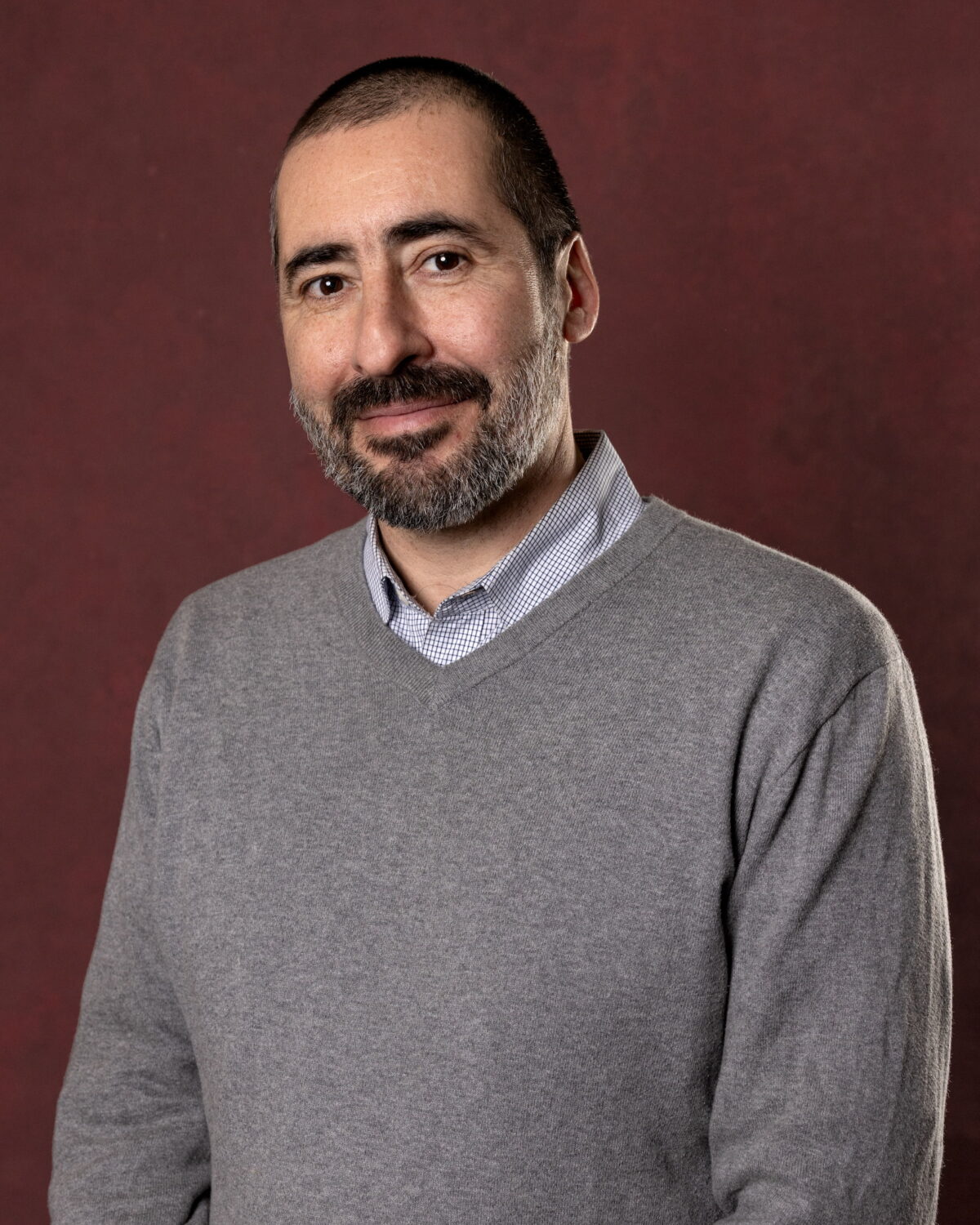
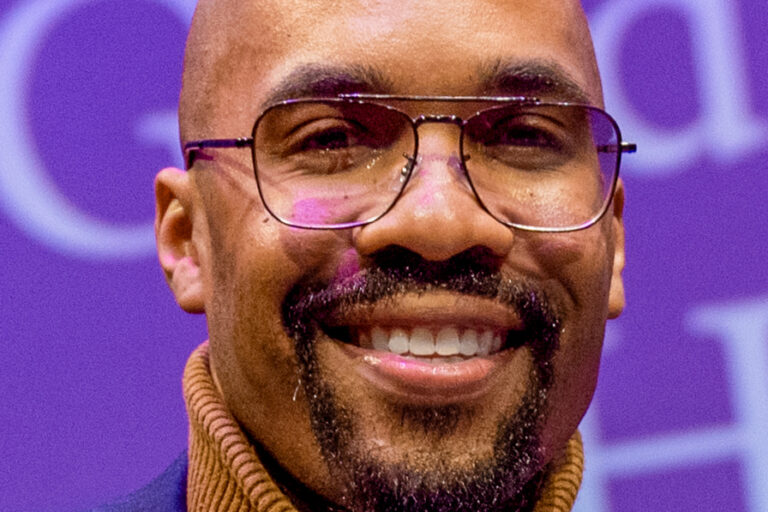
Dr. Paul Mihailidis, Interim Dean
Paul brings a civic-minded perspective to Emerson, with work spanning media literacy, digital culture, community activism, and the role communication plays in public life. Read more.
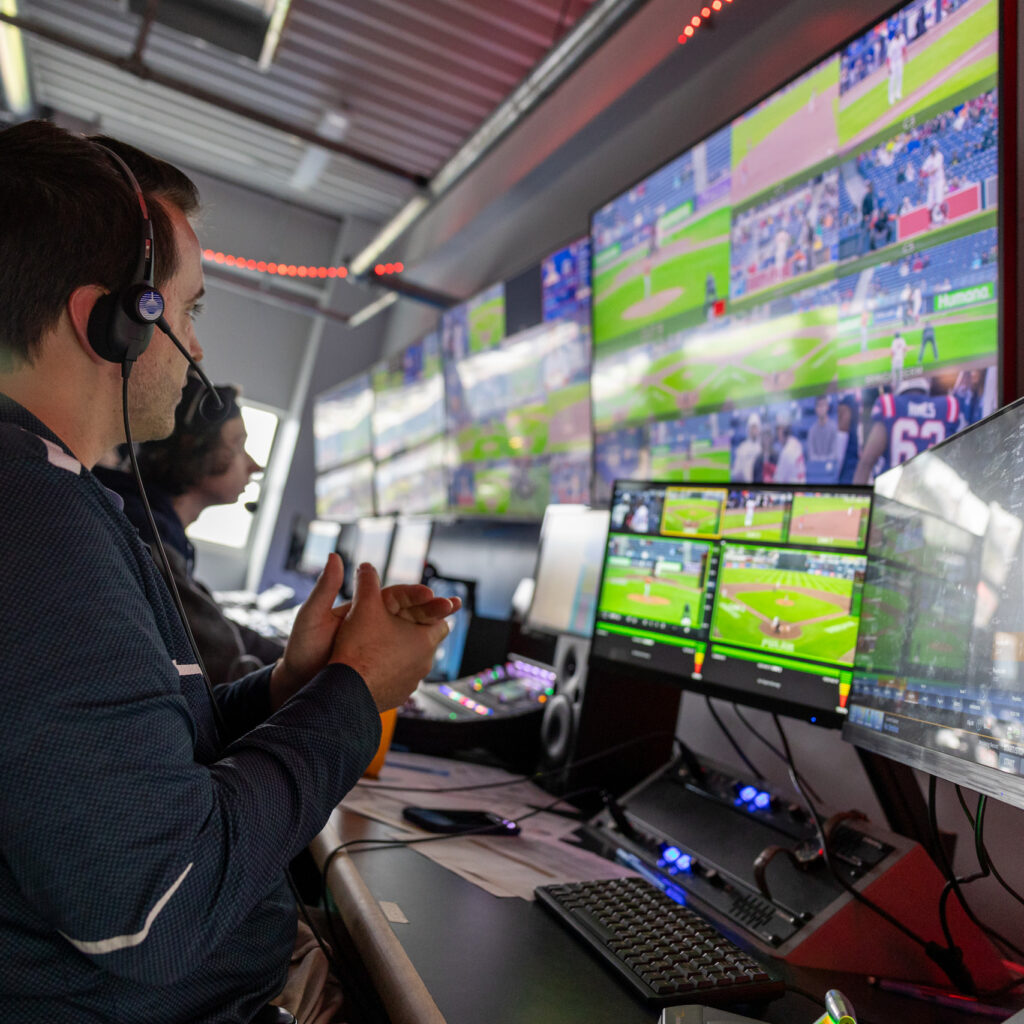
For the marketers, researchers, strategists, journalists, advocates, media thinkers, speech-language pathologists, sports communicators, and public voices ready to make their message matter. At Emerson’s School of Communication, you’ll learn how stories move, how audiences think, how trust is built, and how communication can shape everything from public opinion to people’s everyday lives.
Housing four departments—Communication Sciences and Disorders, Communication Studies, Journalism, and Strategic Marketing and Business (SMB)—the School of Communication is for students who want to understand people, reach audiences, and make sense of the media landscape shaping our society.
Whether you’re drawn to sports, branding, advocacy, research, health, public relations, creative enterprise, news, or politics, you’ll learn how to turn insight into action—and leave with the experience to prove it.
Programs
The School of Communication is home to 22 undergraduate and graduate programs and 15 minors.
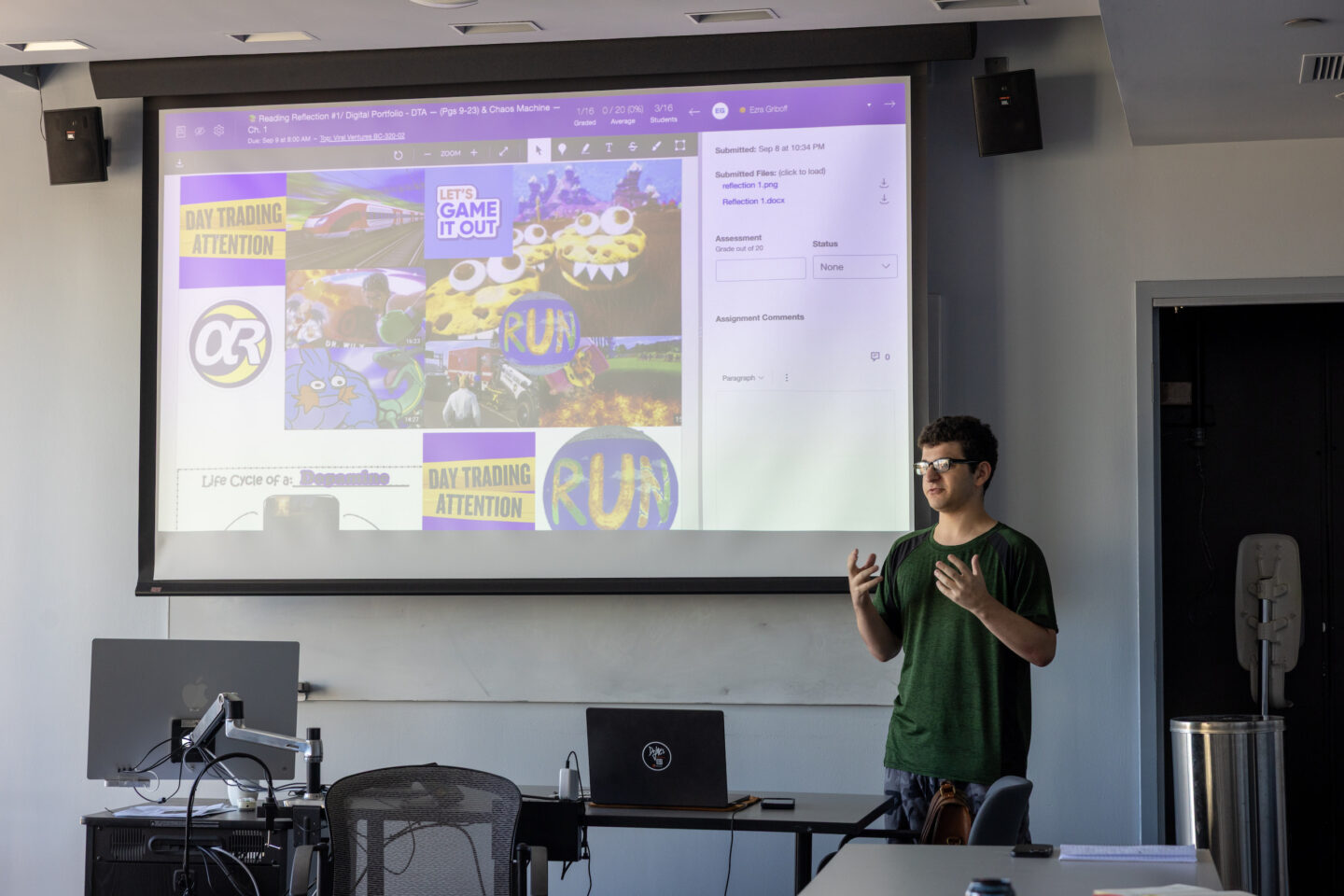
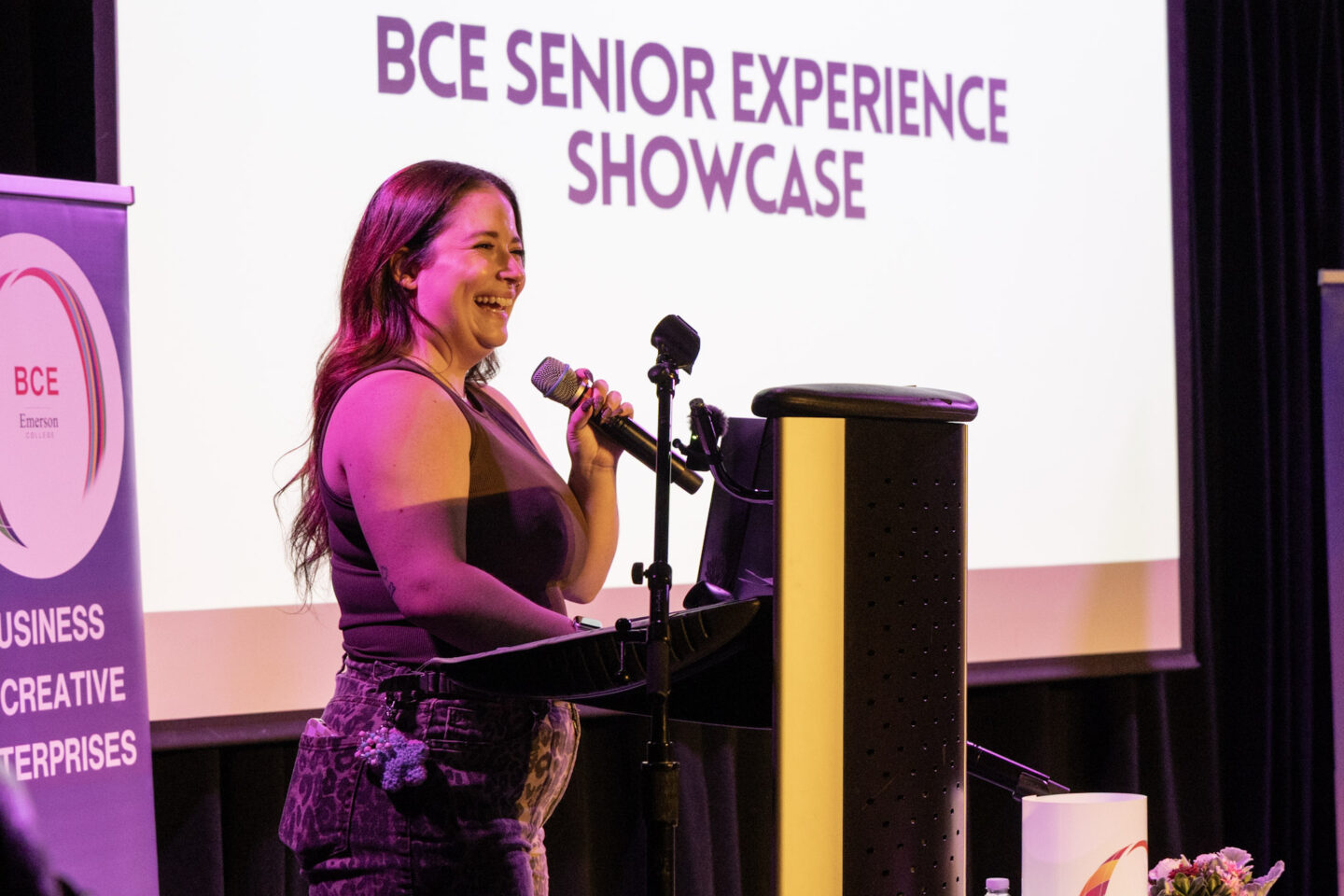




Add Another Dimension to Your Degree
Minors give you more ways to shape your Emerson experience around what you want to study, make, and pursue. Explore options within the School of Communication or across Emerson’s other two schools to create a path that fits your goals.
Ethos
-
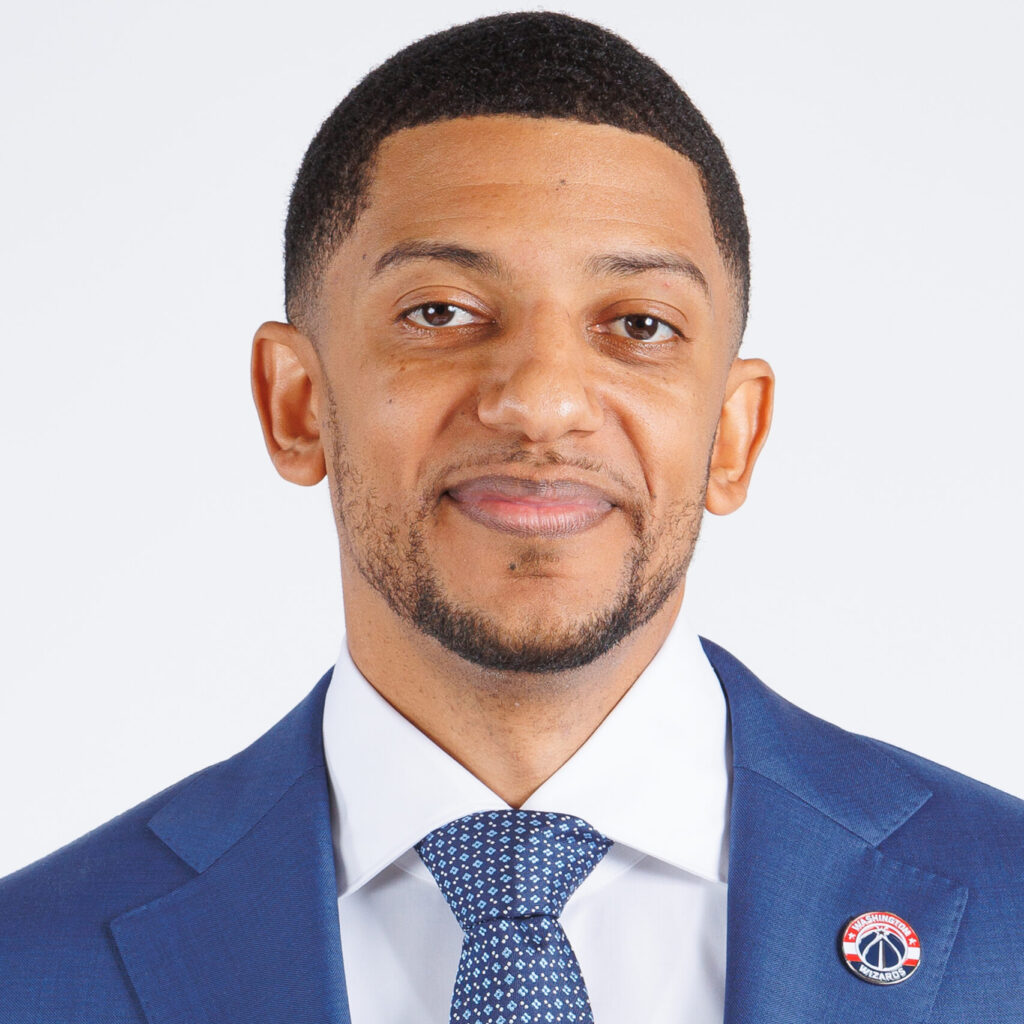
Wil Dawkins ’08
General Manager, Washington Wizards -
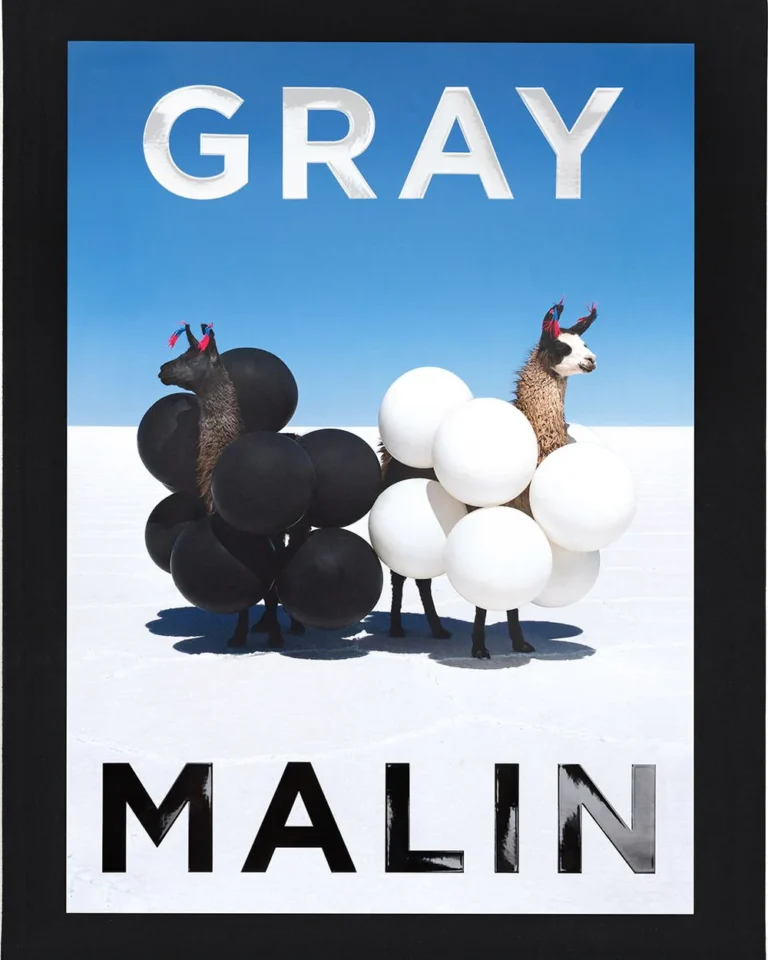

Gray Malin ’08
Photographer and Author -

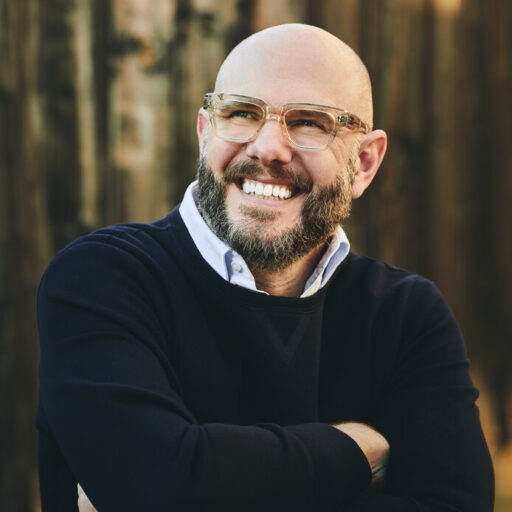
Steven Rowley ’94
Author -
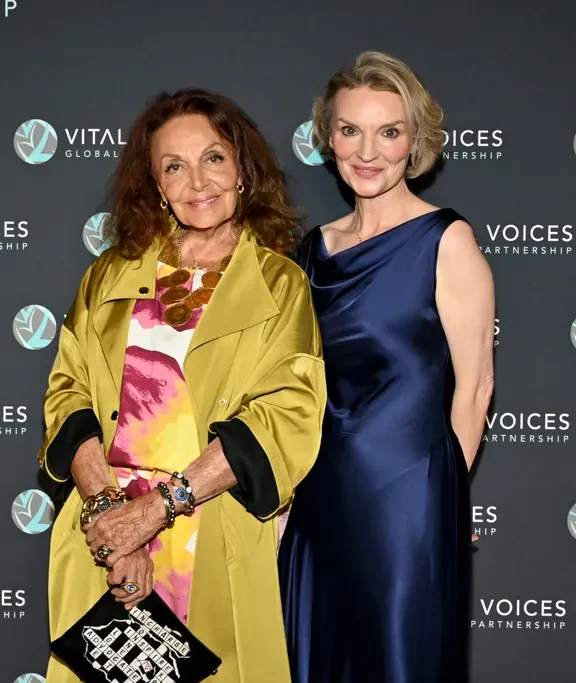

Alyse Nelson ’97
Activist, Author, Nonprofit Leader
Real Work for the Real World
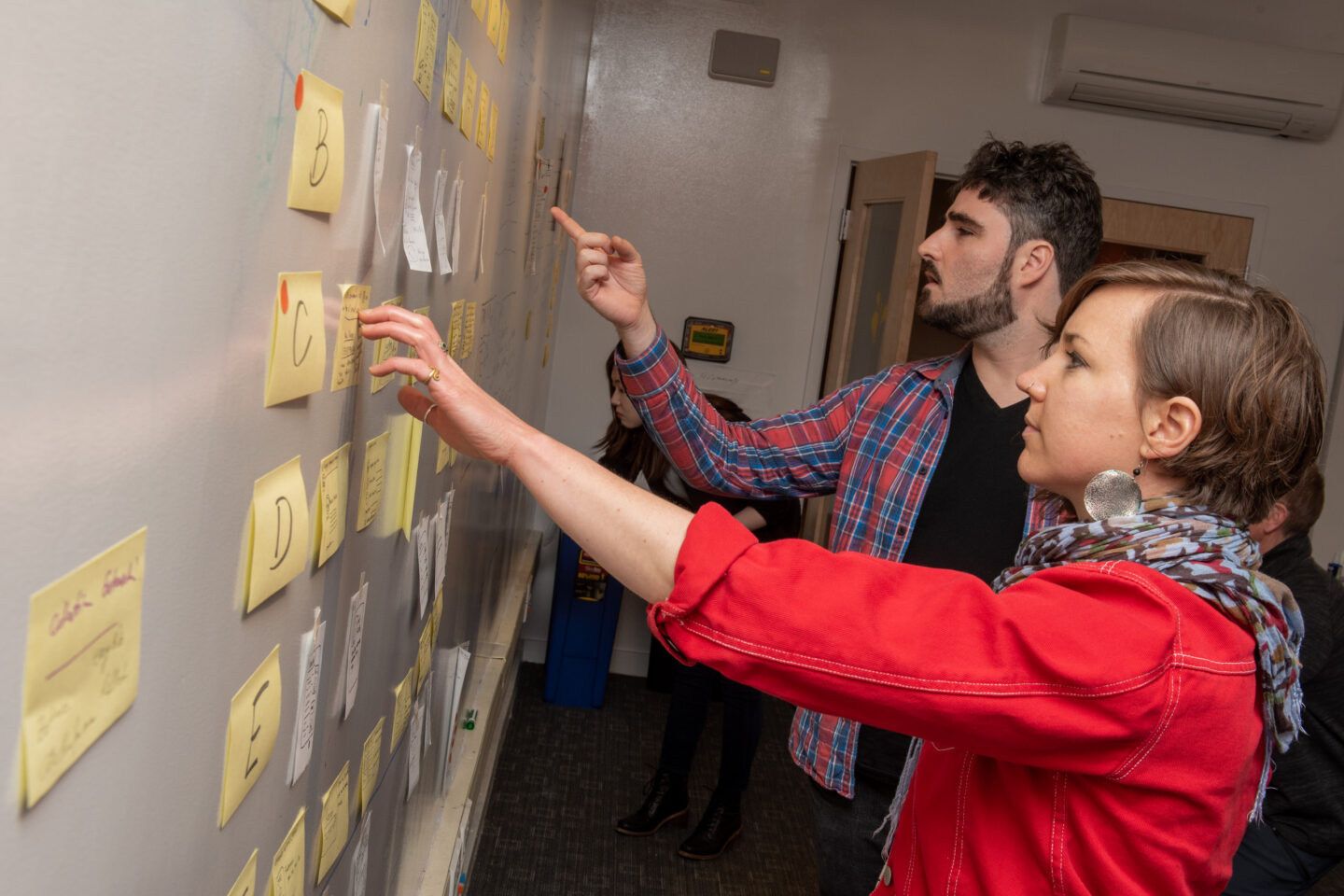
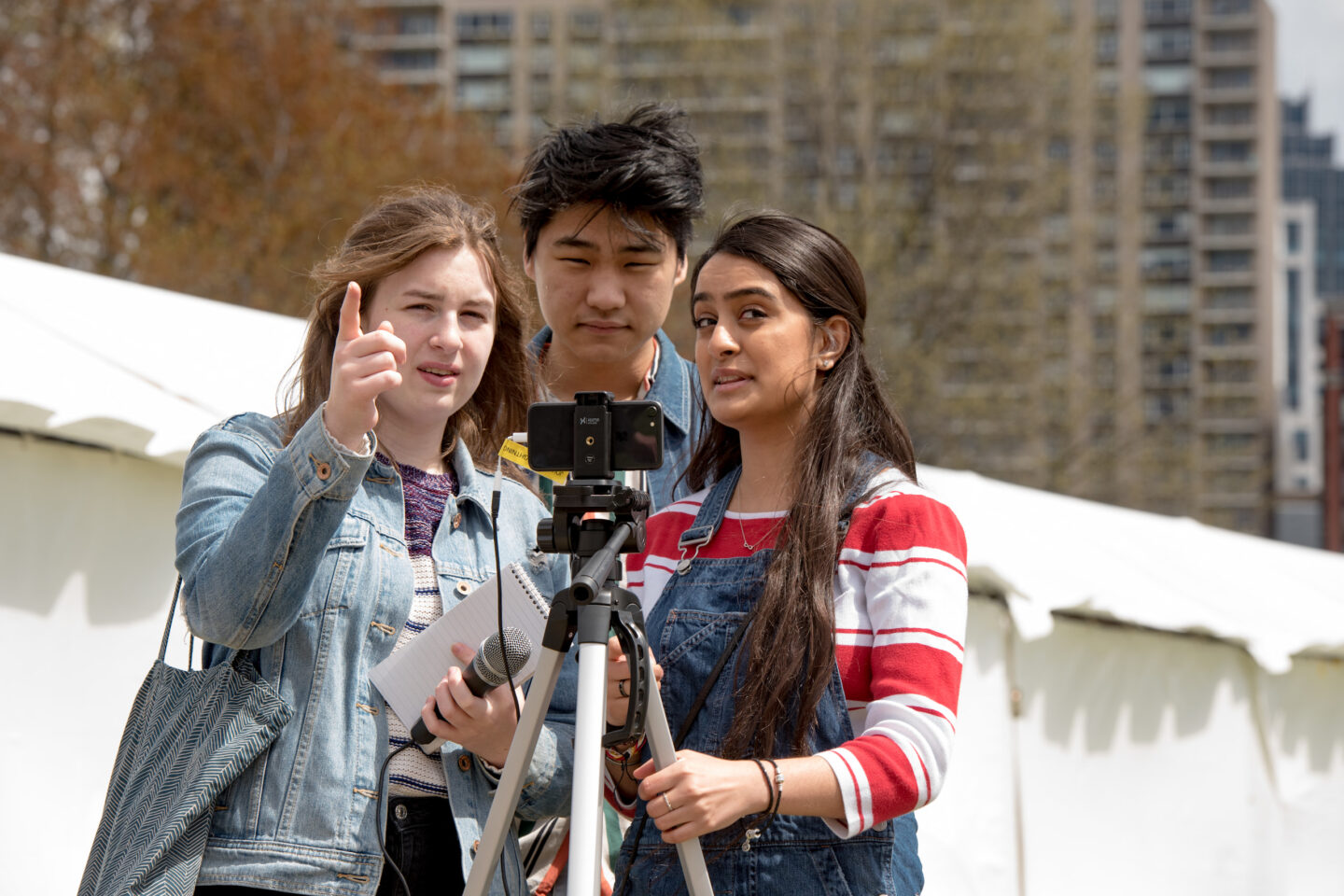
Step into the spaces where communication has real stakes: the newsroom, the clinic, the research center, the client meeting, the campaign room, and the public conversation.
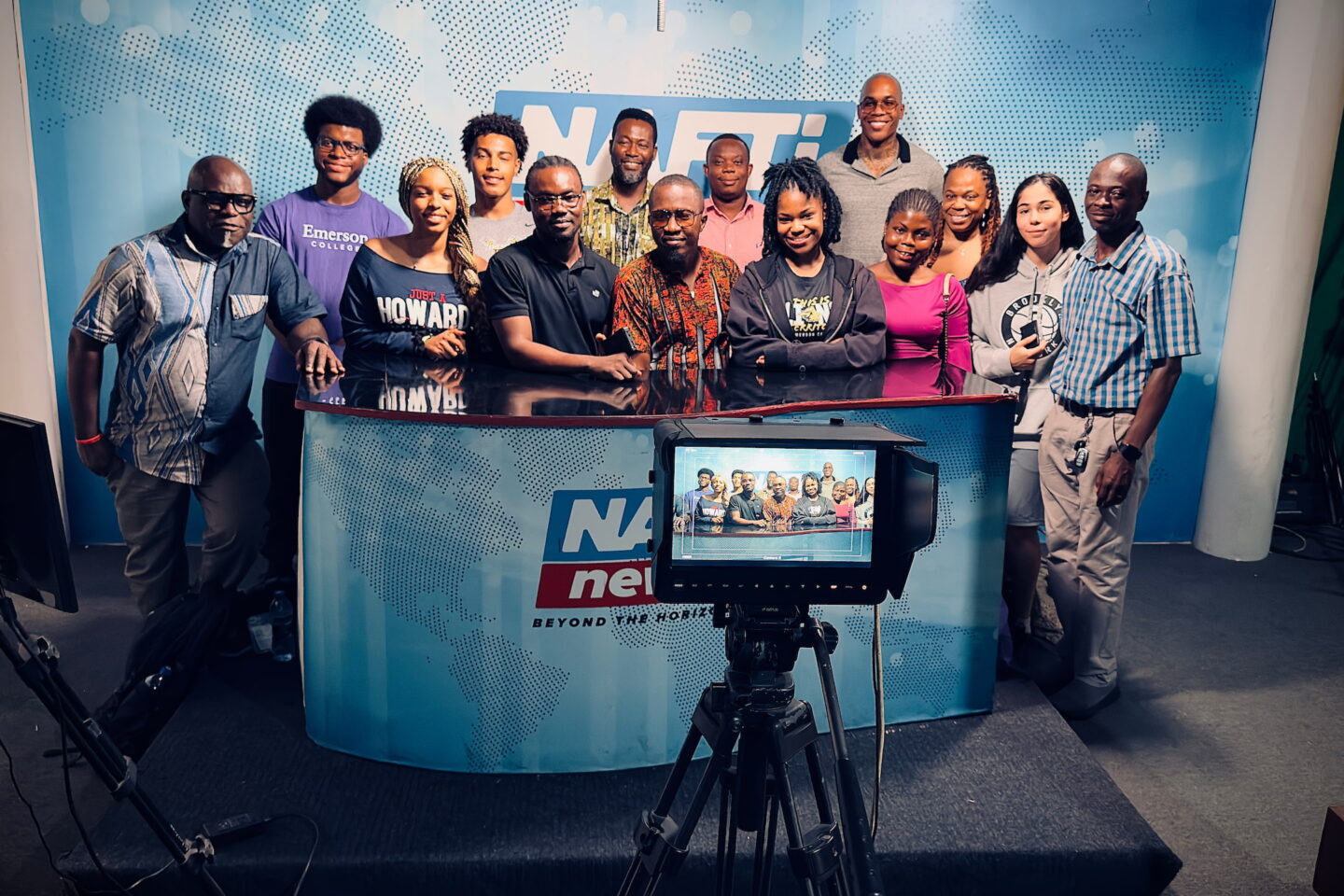
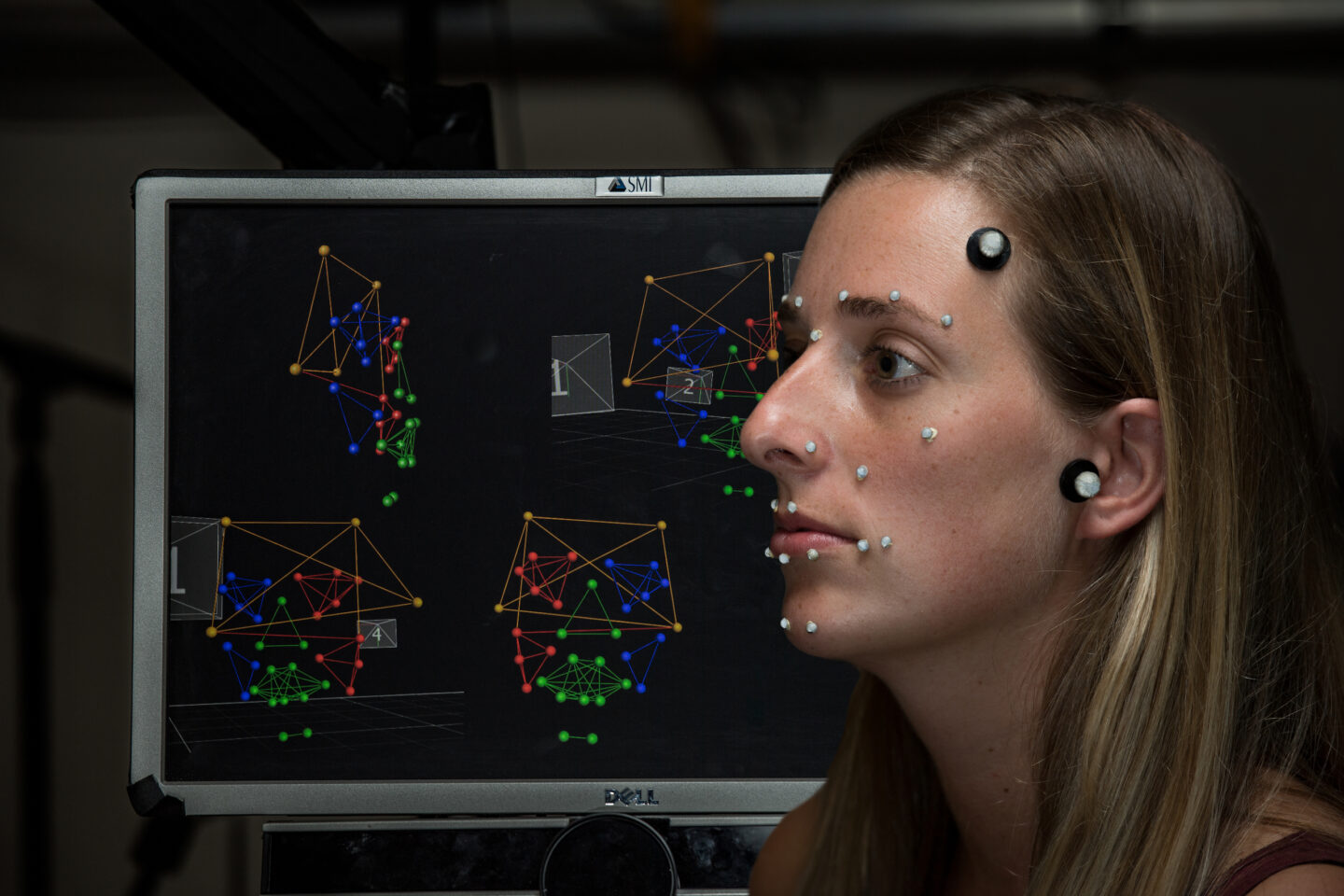
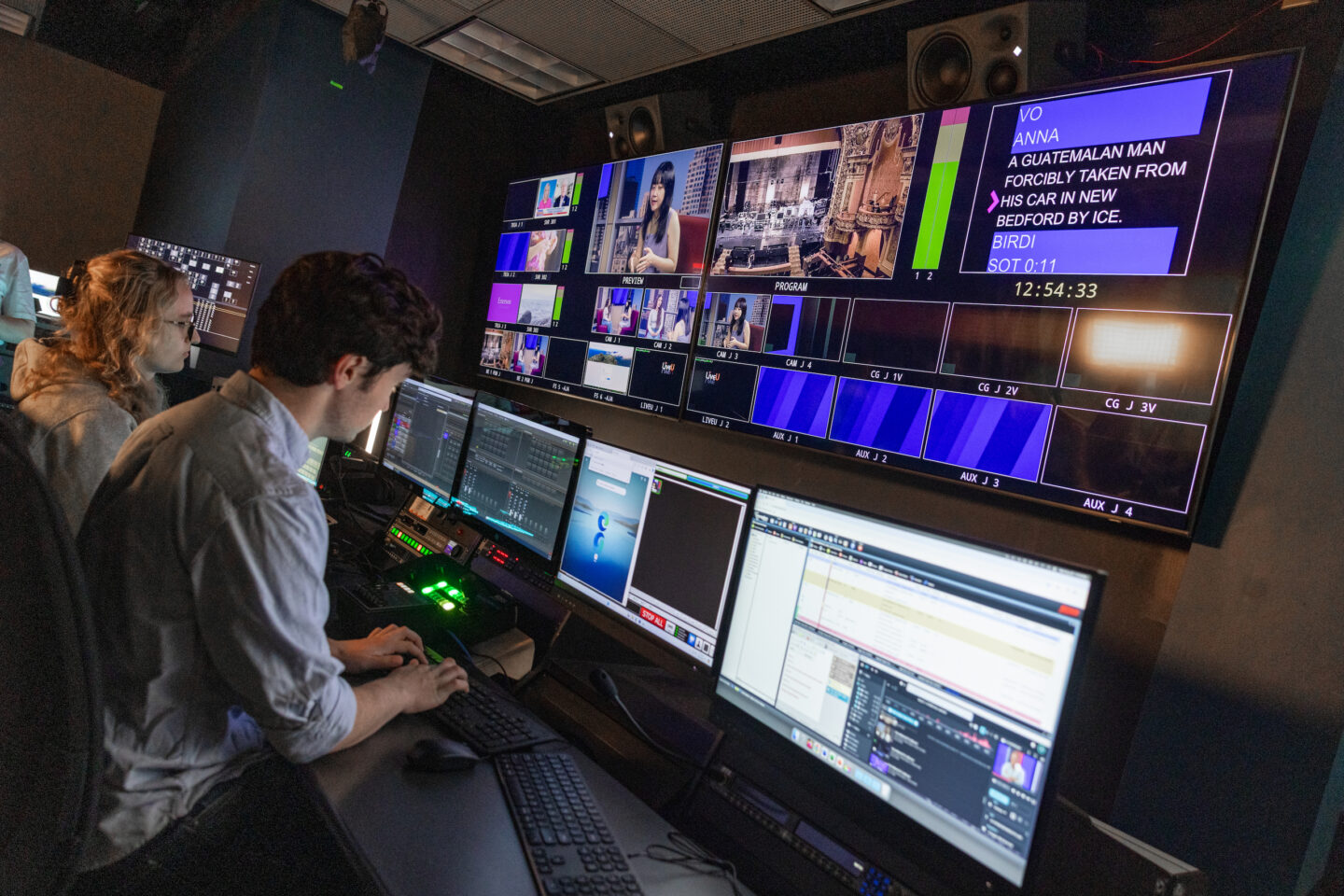
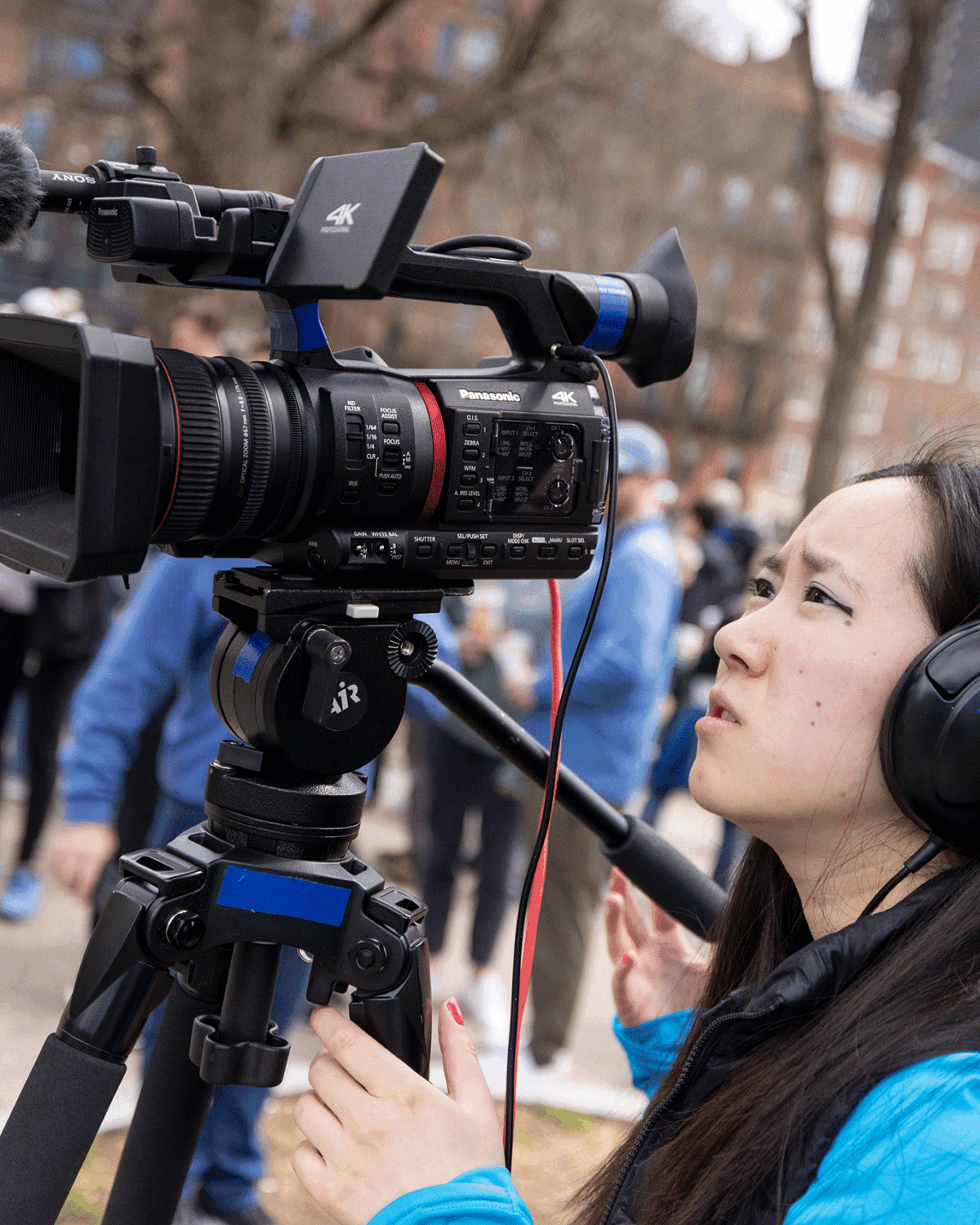
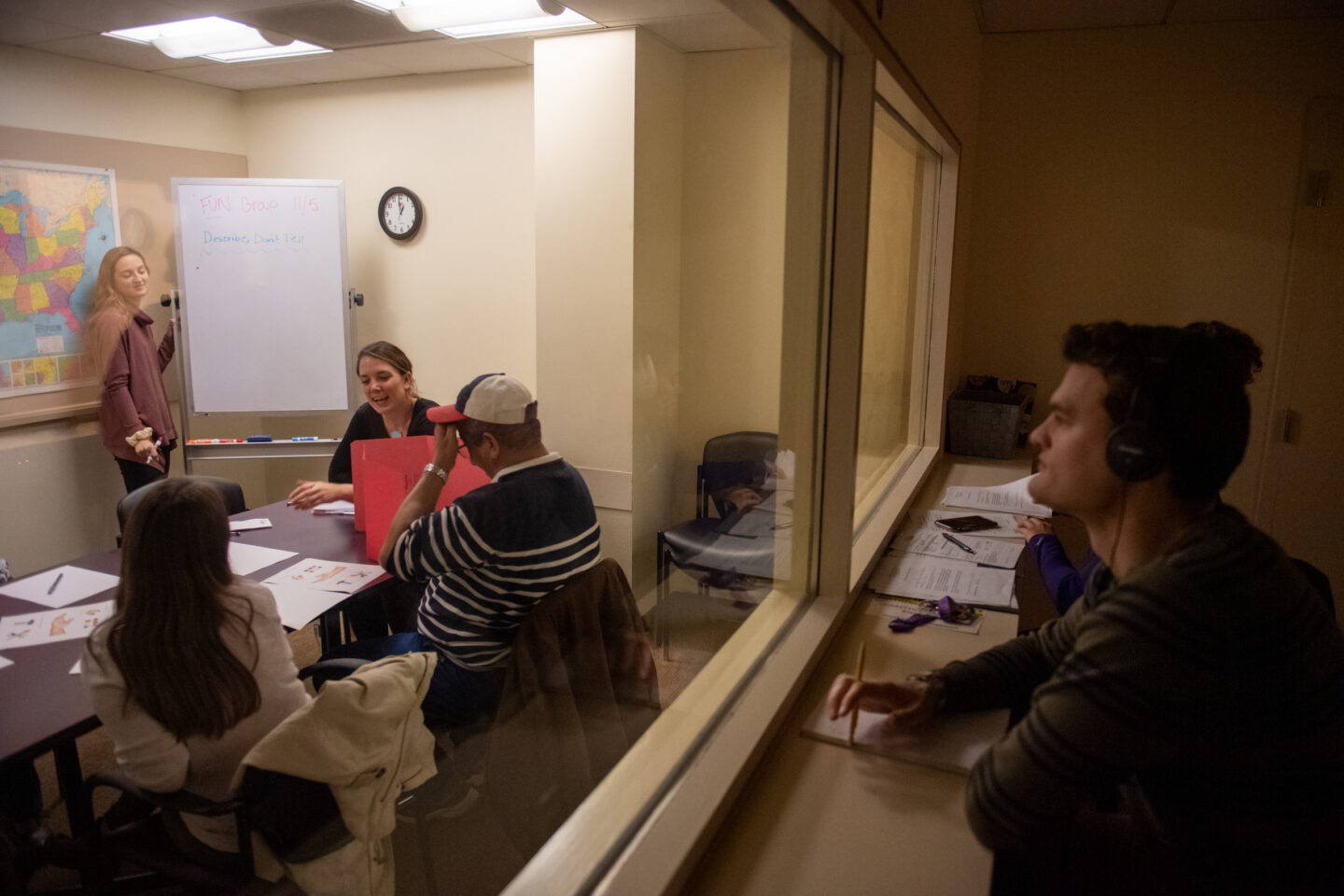
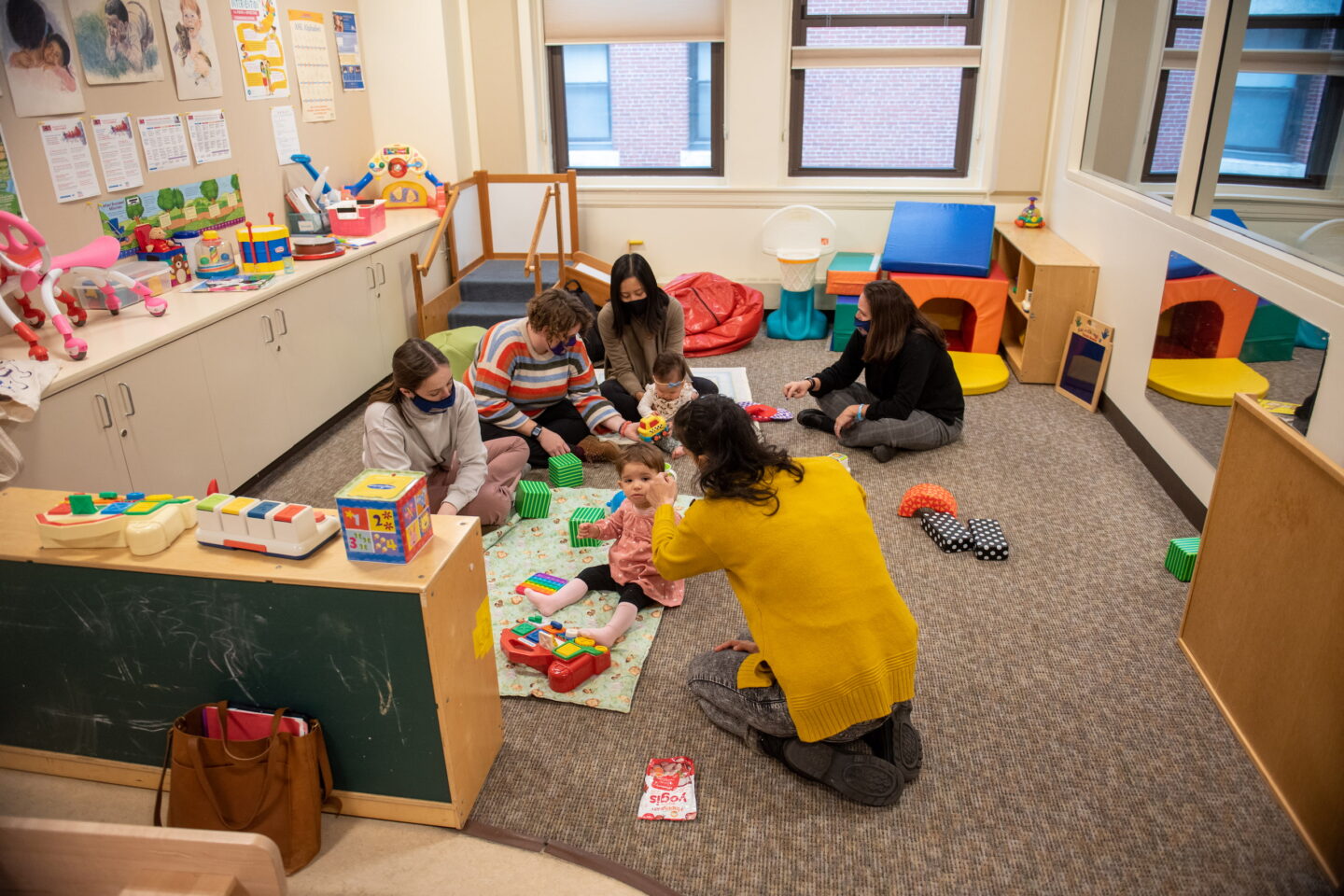
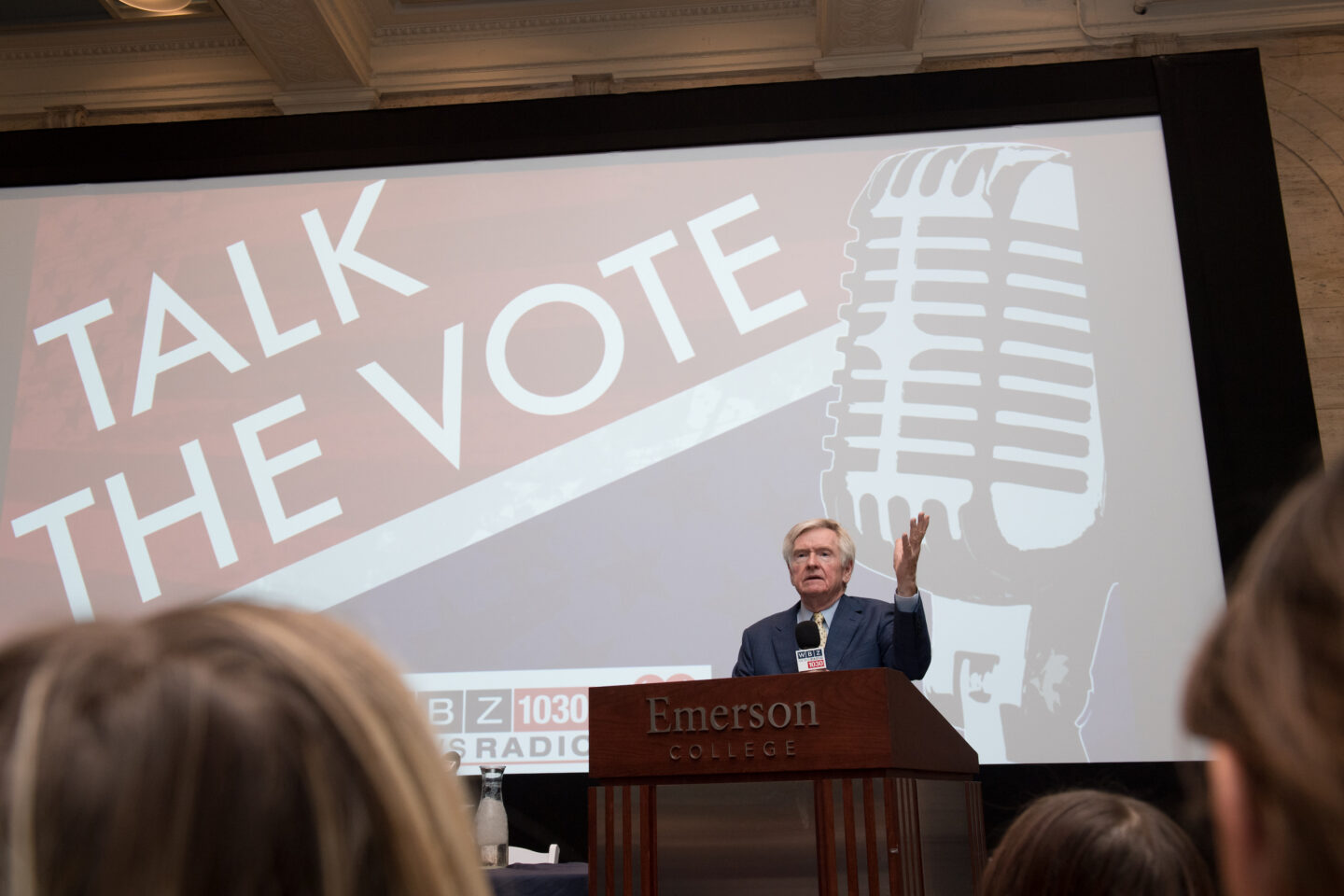
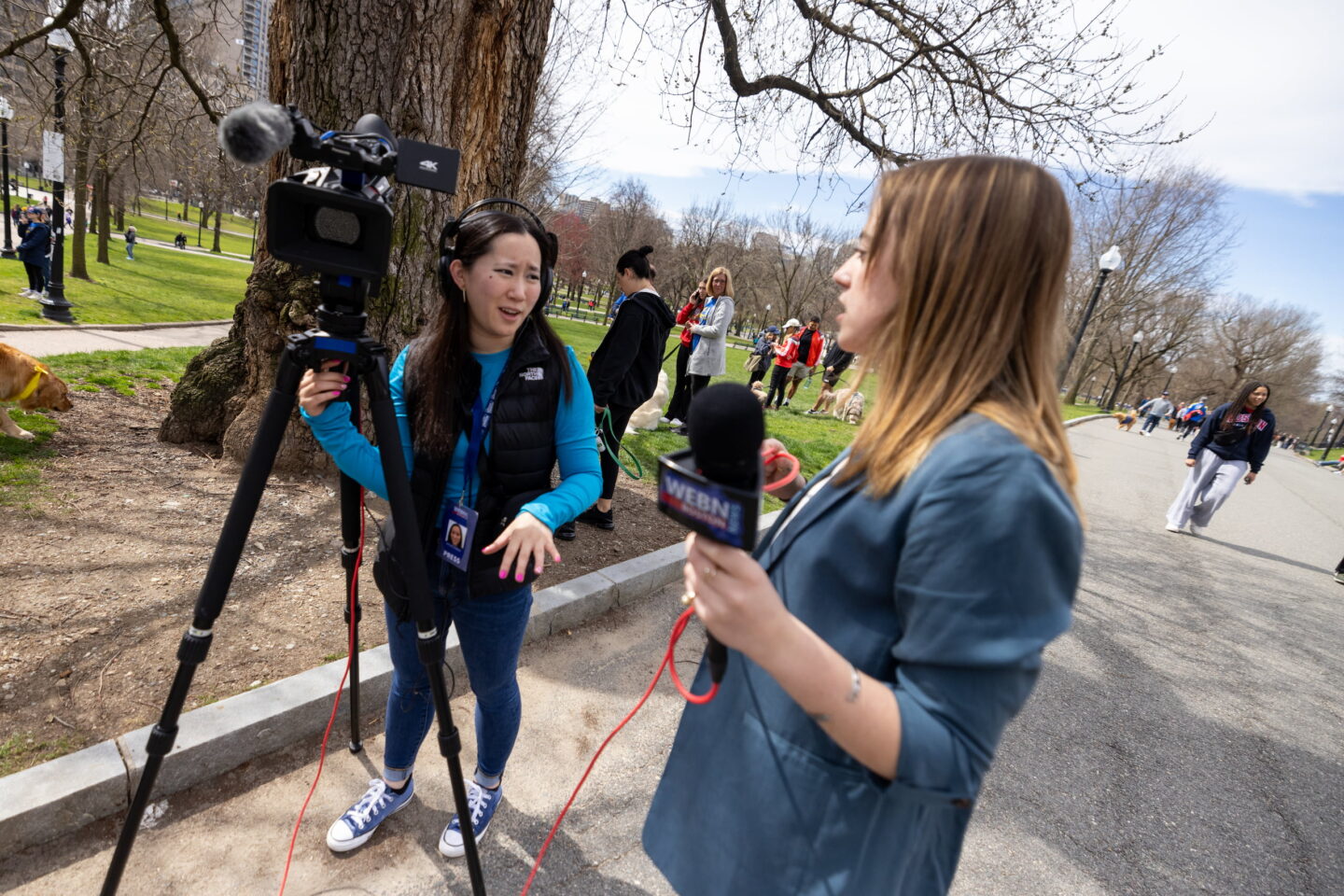
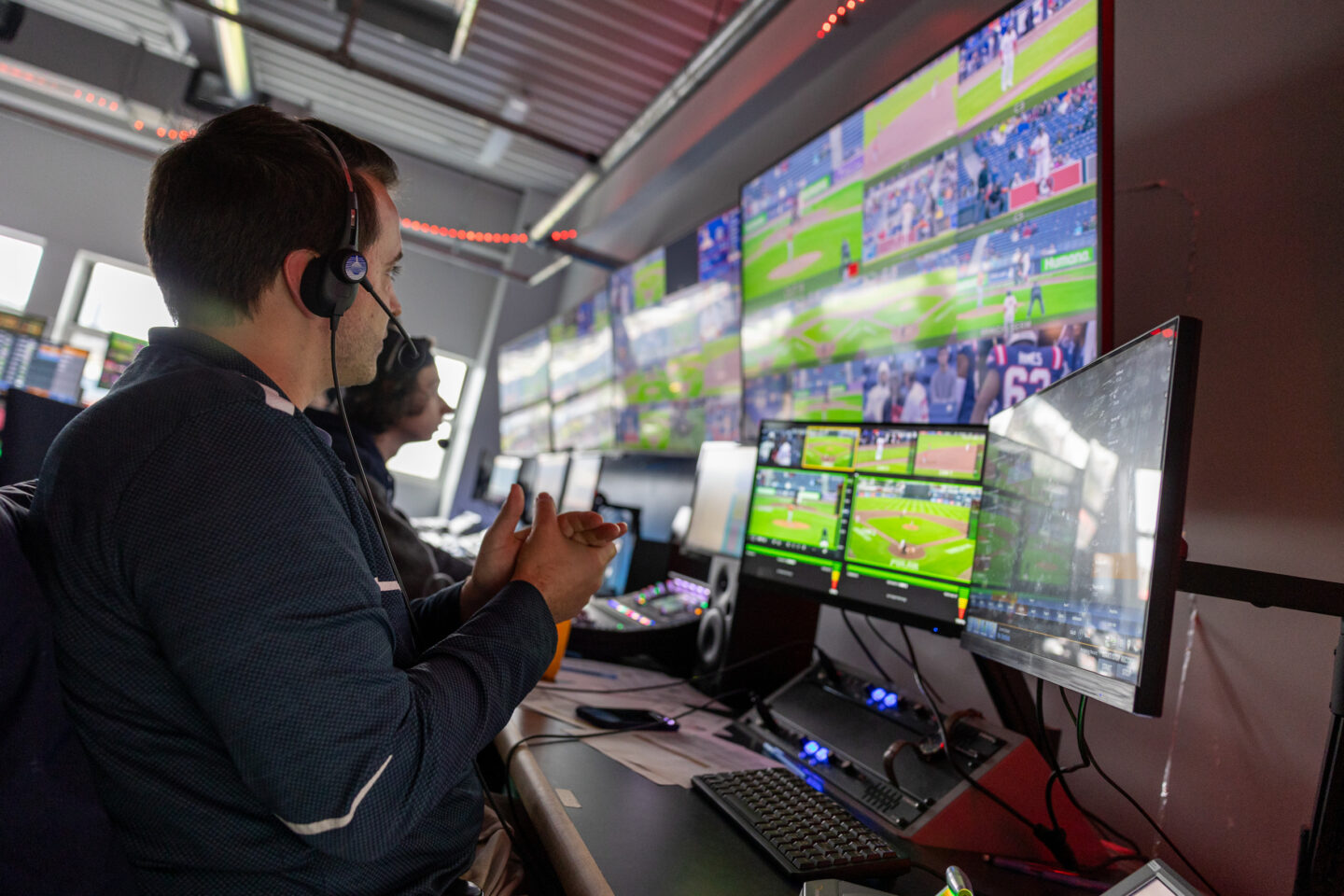
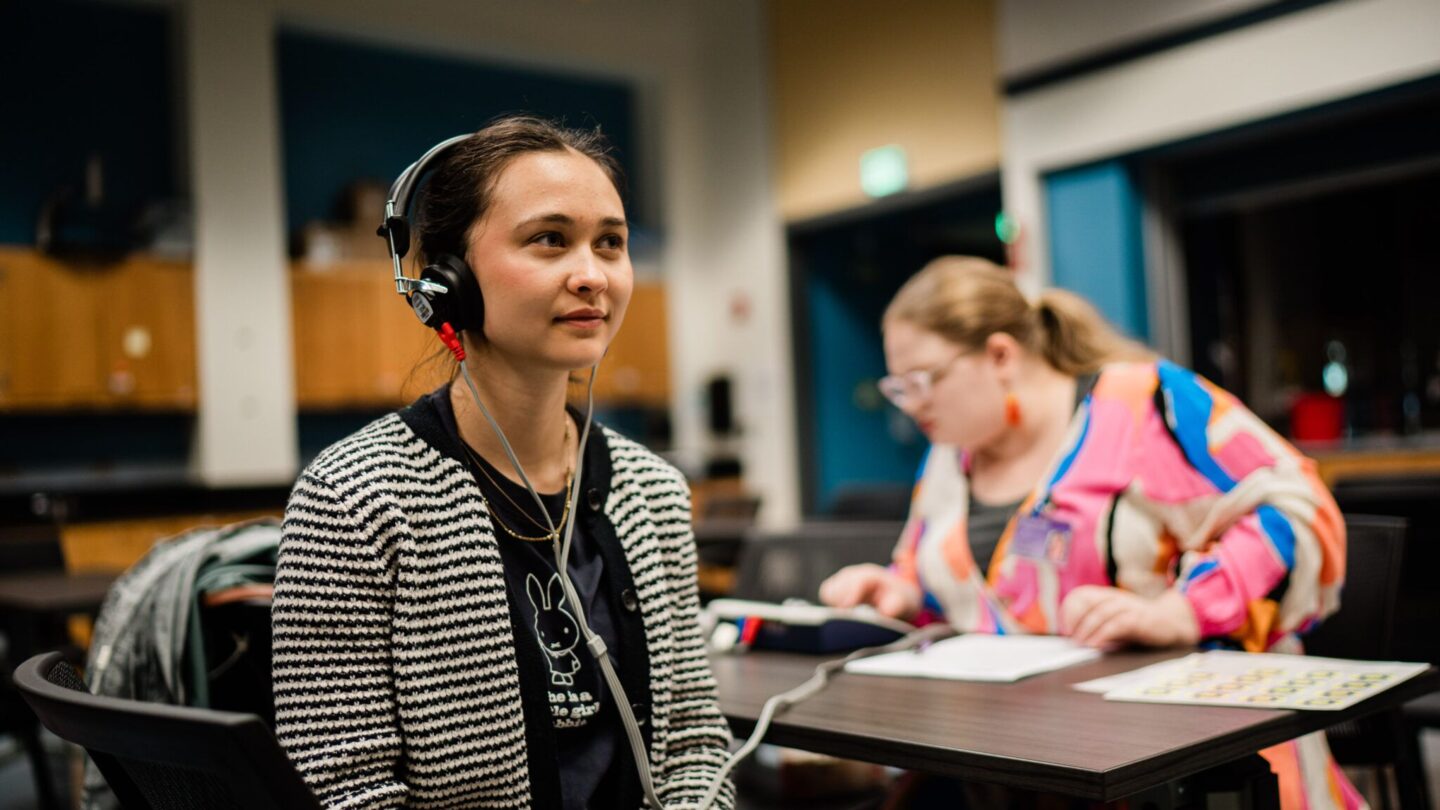
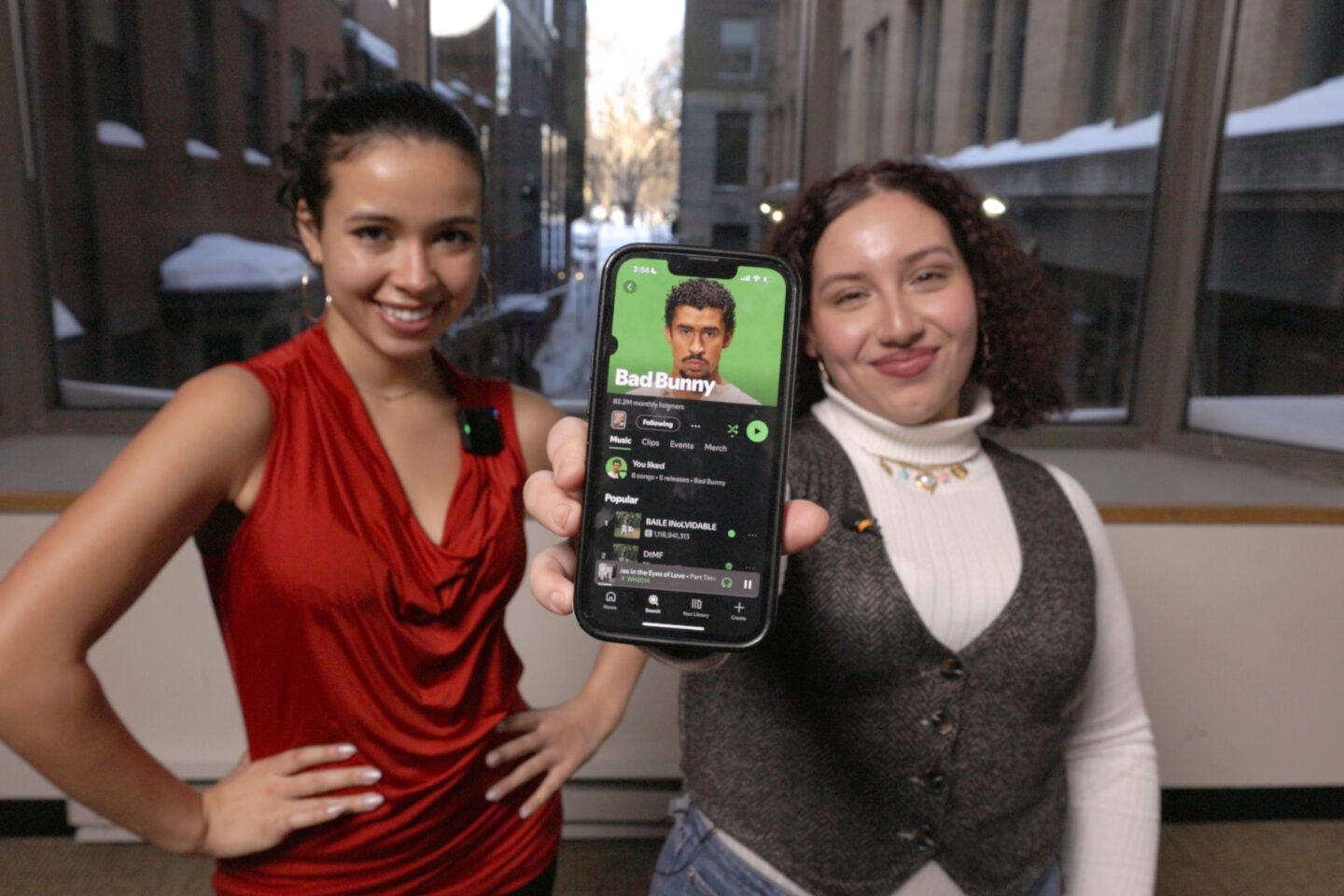
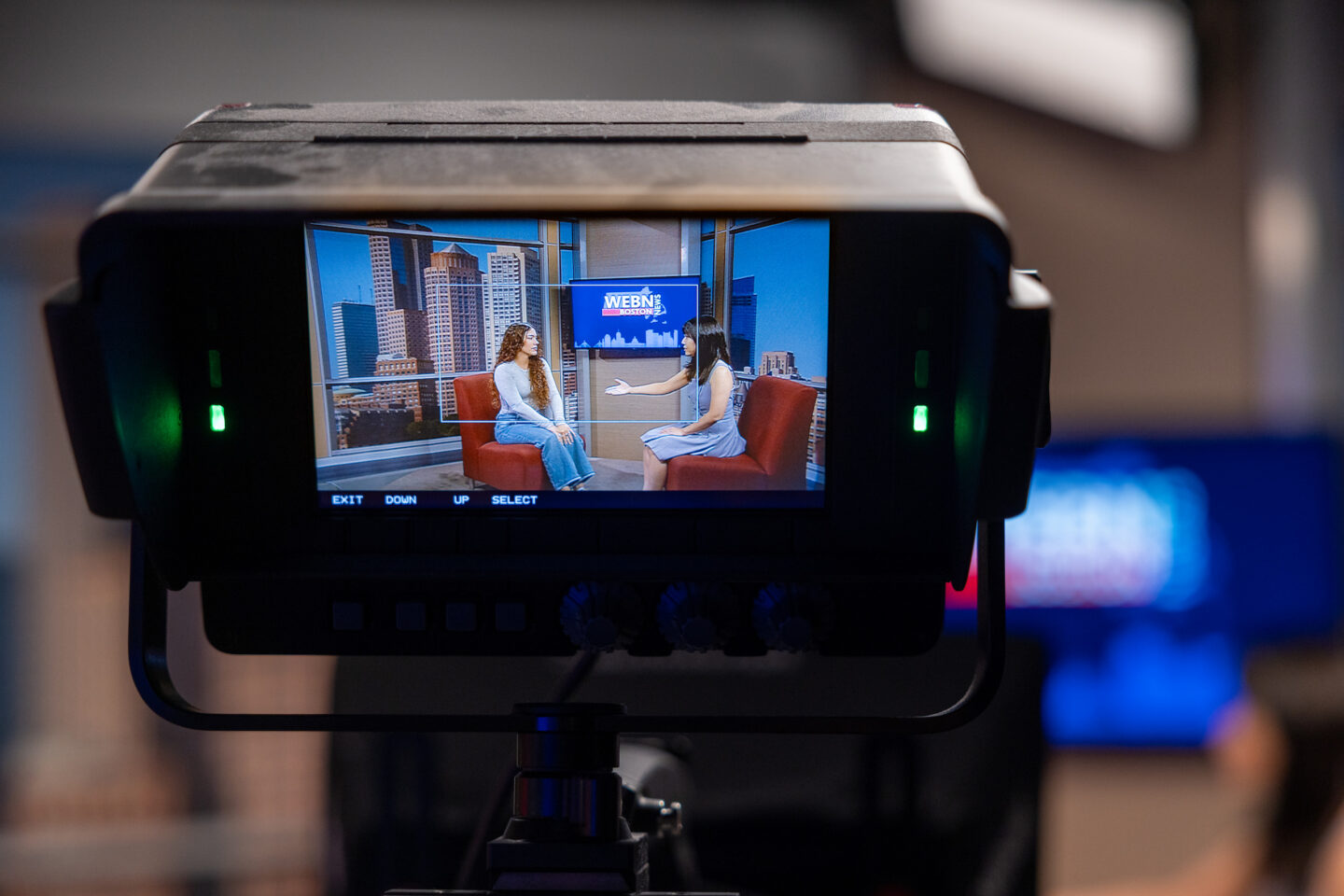
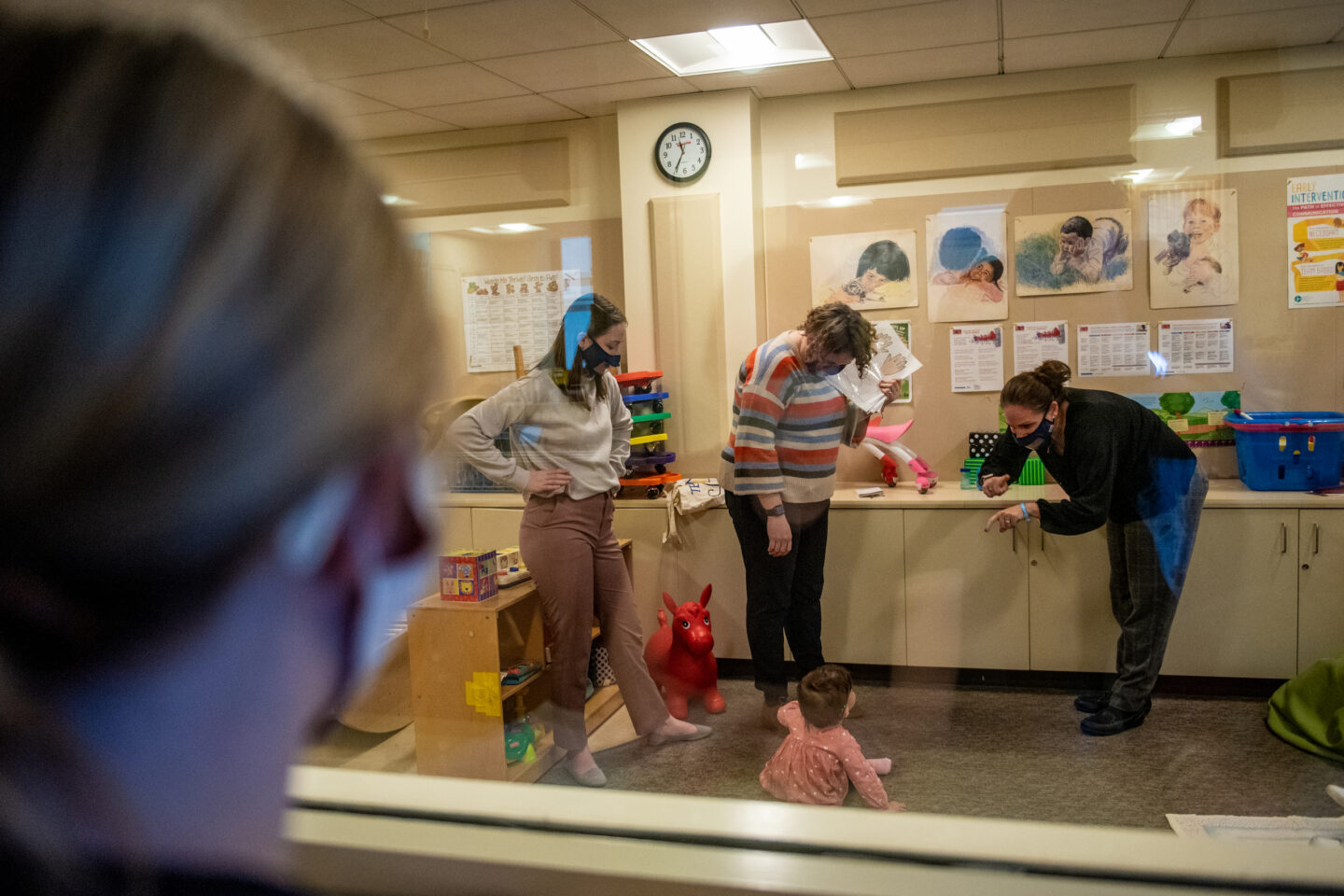
At The Robbins Center, students connect classroom learning with clinical practice, observing and working alongside faculty and licensed clinicians as they support children and adults with communication challenges. Through the nationally recognized Emerson Polling organization, students explore how public opinion takes shape—and how research, data, politics, and media influence the stories people follow. And in the Journalism Production Center, students learn the pace and practice of modern reporting in professional production spaces built for broadcast, livestreaming, multimedia storytelling, and post-production.
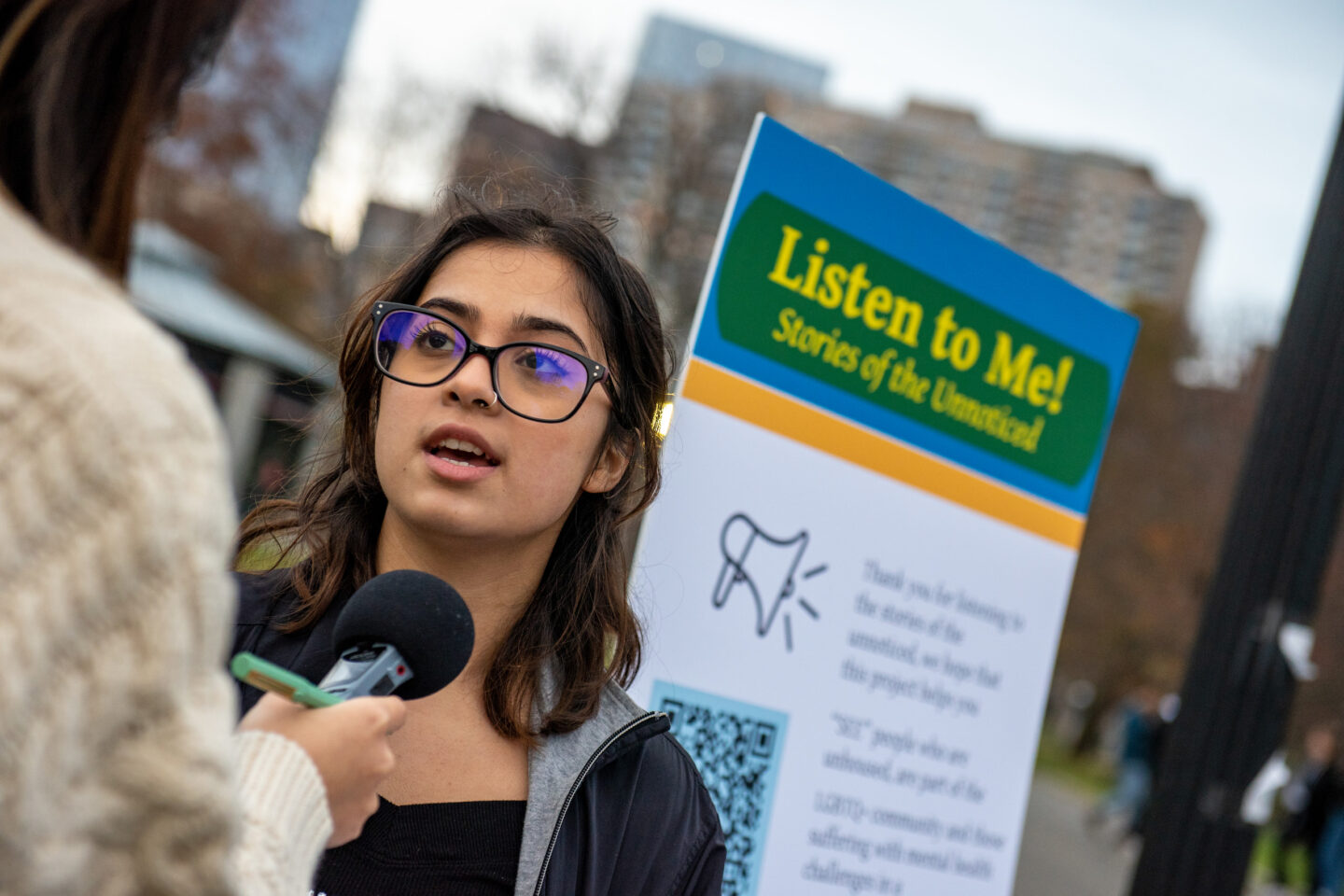
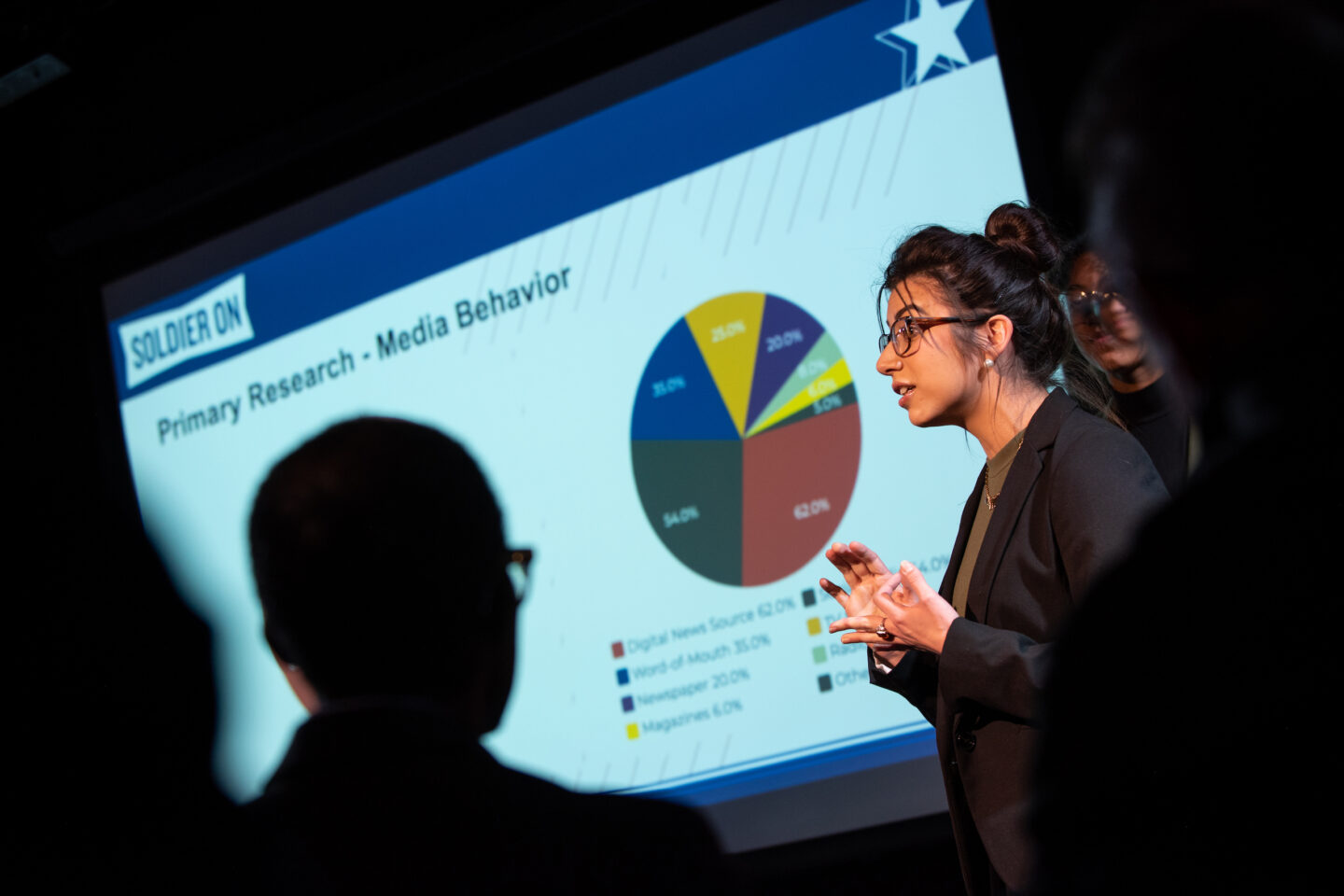
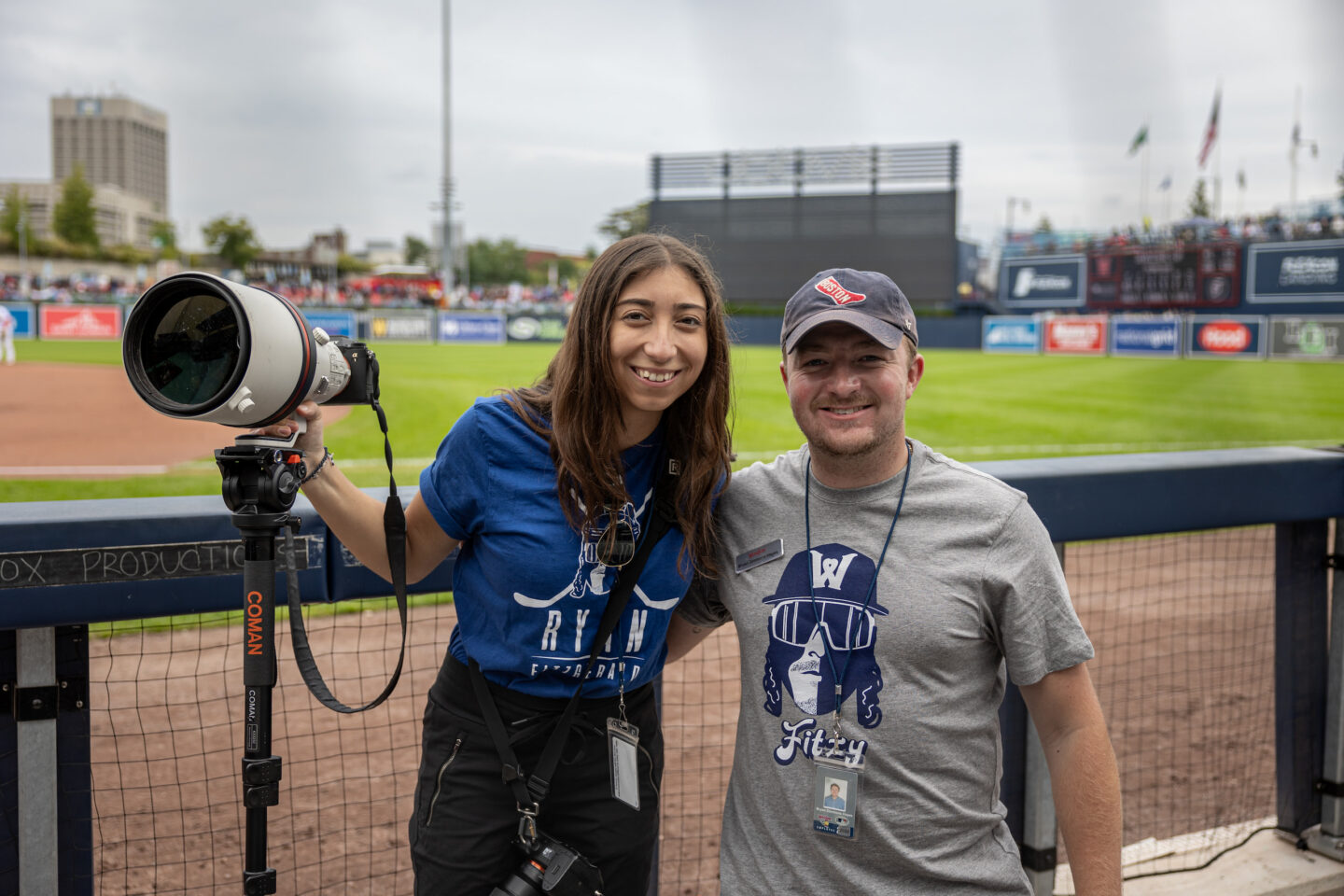
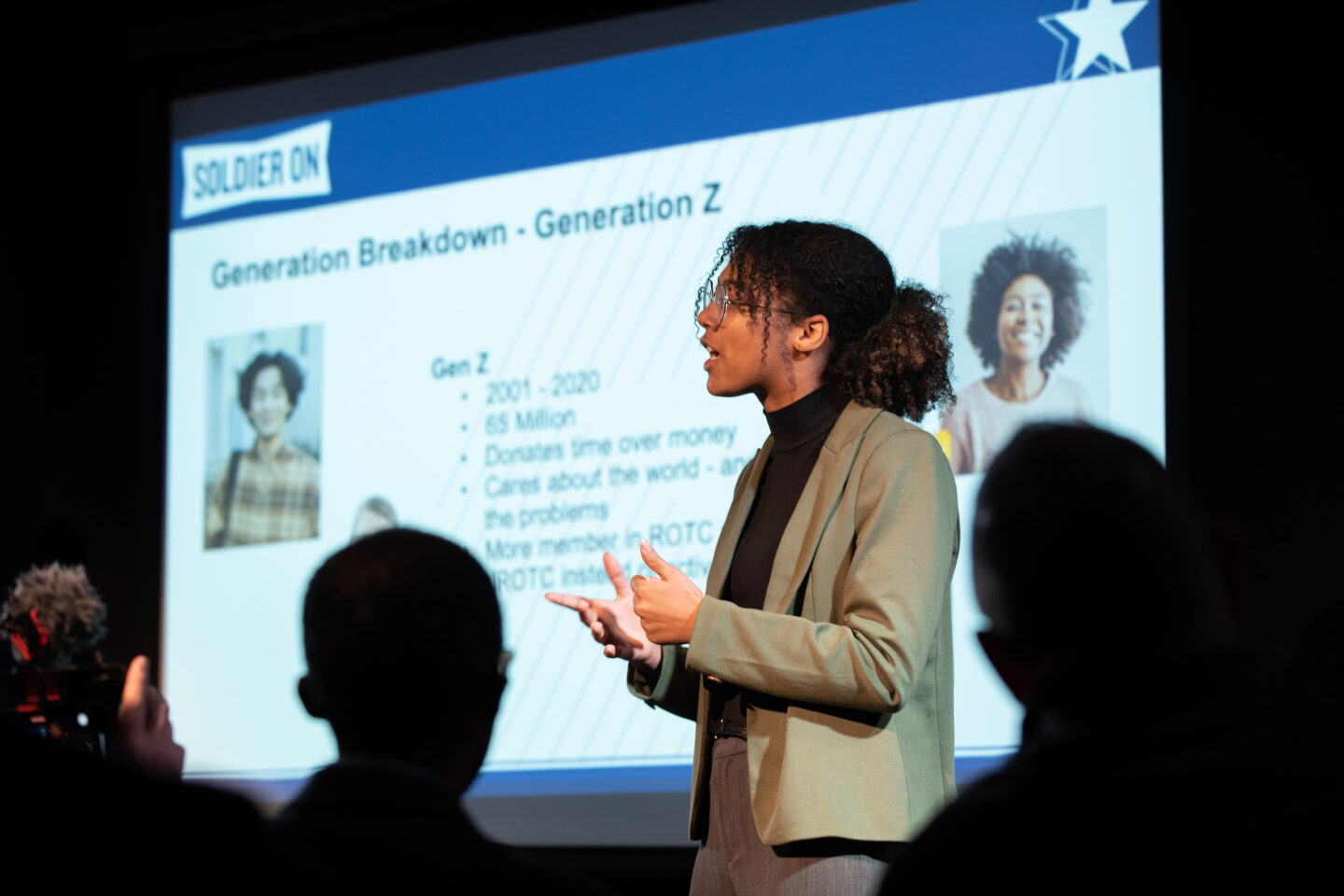
And across the School, the work keeps going: client campaigns, PR strategy, sports media projects, political messaging, audience research, media psychology, communication studies, and creative enterprise. Students build the message, test the angle, study the audience, sharpen the story, and learn what it takes to lead through communication.
Find Your People. Do Your Thing.
With 100+ student organizations and co-curricular activities across Emerson, communication students have no shortage of ways to test ideas, build experience, and find the people who make their work sharper and smarter.
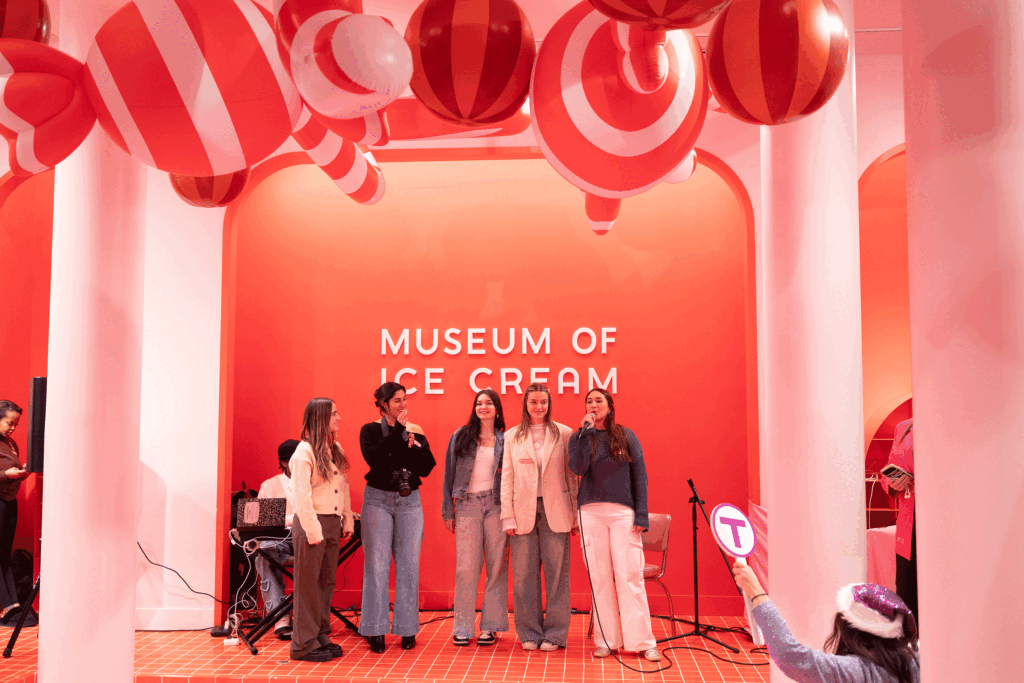
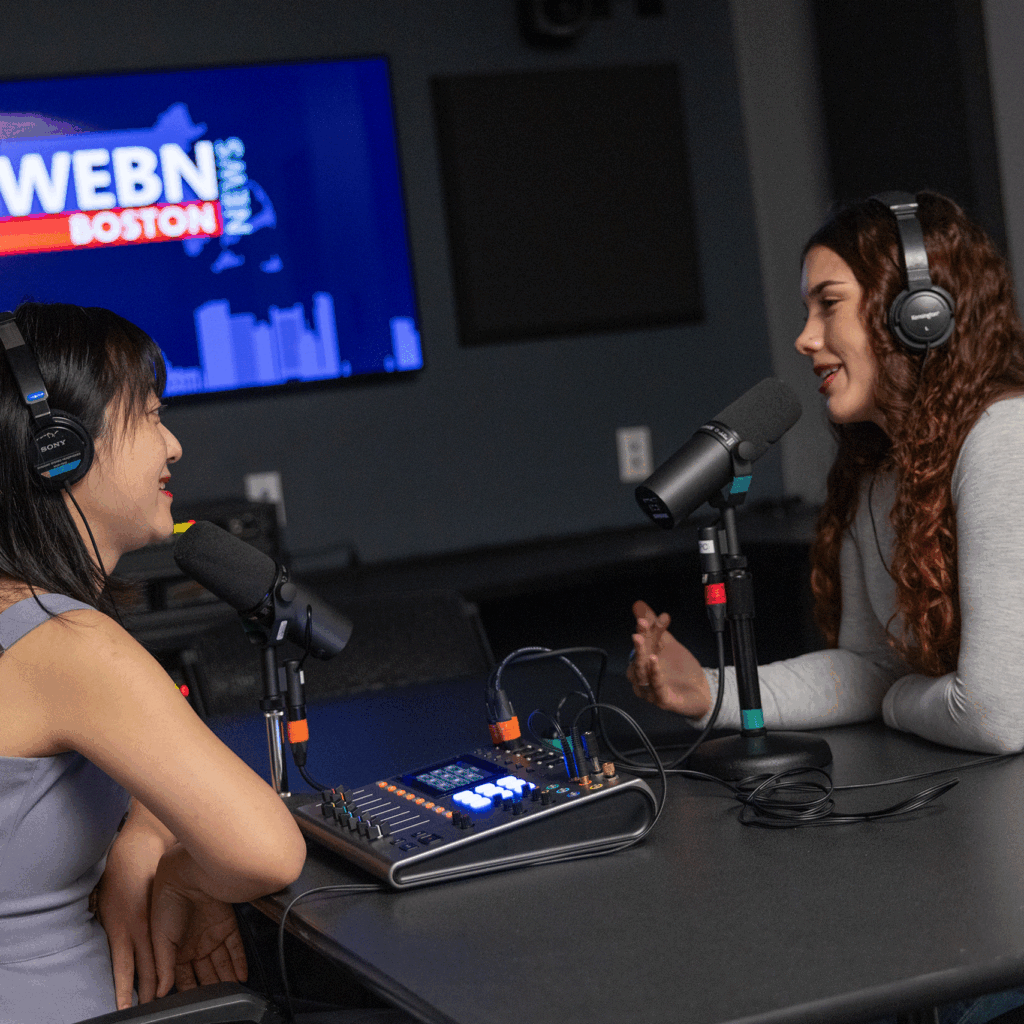
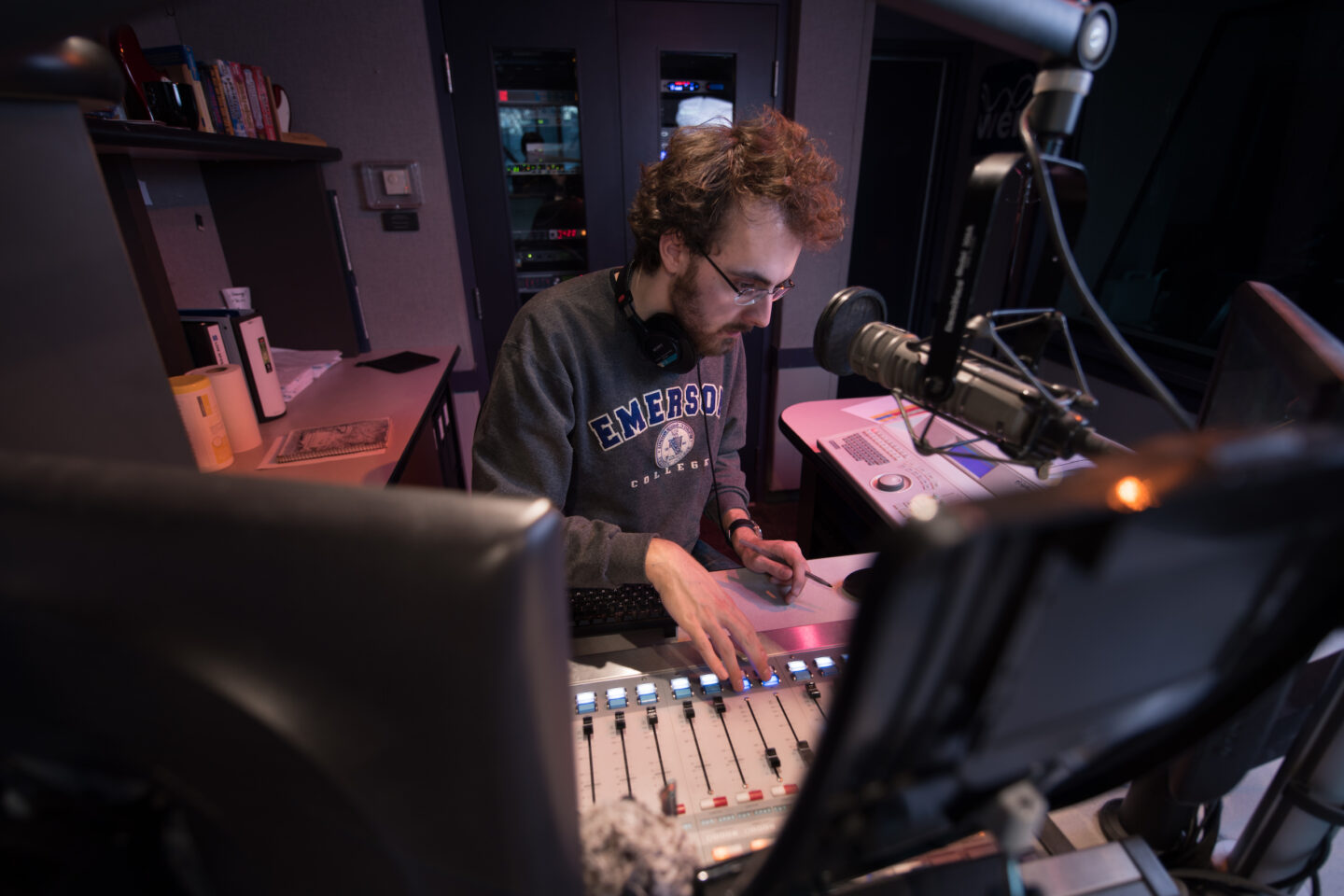
This is where a class assignment can turn into a campus media story, a campaign idea can become client work, a debate can sharpen into advocacy, and a conversation after class can become the beginning of a collaboration. Across student agencies, media organizations, podcasts, sports coverage, and cross-campus creative projects, you’ll find classmates who challenge your angle, tighten your strategy, question your assumptions, and help you make the work stronger.

Where This Takes You
At Emerson, the work adds up. The story you reported. The campaign you built. The client you pitched. The poll you analyzed. The clinical skills you practiced. The audience you learned to understand.
These experiences become your portfolio, your network, and your next step. Graduates of the School of Communication go on to careers across journalism, marketing, public relations, politics, sports media, entertainment, health communication, speech-language pathology, advocacy, research, creative enterprise, nonprofits, and emerging fields that depend on people who can communicate clearly, strategically, and responsibly.
Recent students and alumni have found internships at: